
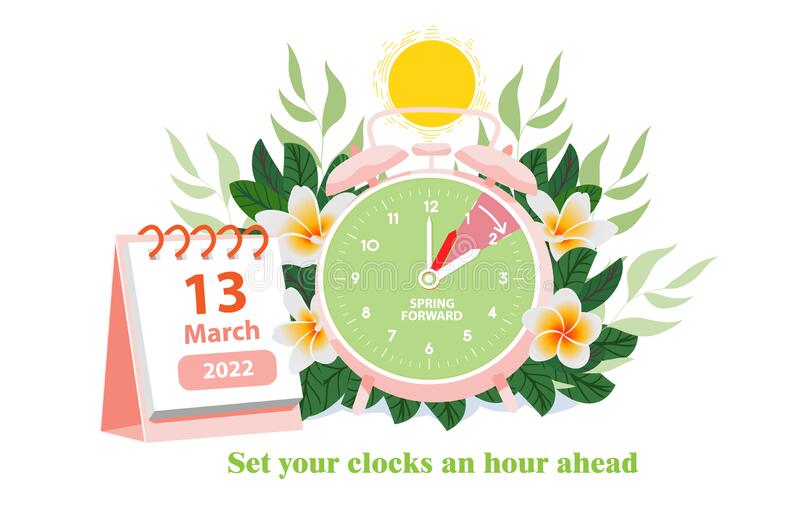
Every spring, millions of us “spring forward” — losing an hour of sleep when Daylight Saving Time begins. It feels like a small shift, just 60 minutes. But research consistently shows that this single hour disruption has outsized effects on our health, safety, and performance. As The Sleep Ambassador®, I’ve been helping people navigate this […]
Category Archives: Disruptions & Daylight Saving Time
* NEW Articles & Press *, Content By Nancy, Disruptions & Daylight Saving Time, Thrive Global
SPRING FORWARD GENTLY: Adapting to Daylight Saving Time

Nancy Rothstein shares six practical tips for adapting to Daylight Saving Time, from power naps and morning light exposure to maintaining consistent sleep schedules during the transition.
Daylight Saving Time disrupts your body’s master clock, affecting sleep architecture, hormone timing, metabolism, and cognitive function. Learn how to prepare and minimize the impact.
Legislative efforts to end Daylight Saving Time are gaining momentum, with sleep experts and public health advocates arguing that the biannual time switch worsens America’s chronic sleep deficit.
Moving the Daylight Saving Time change from Sunday to Saturday would give people a buffer day to adjust before the work week, potentially reducing Monday accidents and health risks.
Daylight Saving Time is increasingly seen as an outdated practice. Modern research shows no meaningful energy savings while documenting significant health and economic costs.
Proposals to move Daylight Saving Time transitions to Saturday offer a practical compromise. Research shows adjustment takes 3–7 days, and a weekend buffer could reduce health risks.